
I get a call most weeks from someone in Sydney or Melbourne who has found a house in Queensland and wants to know whether they can buy it without flying up.
The short answer is yes, plenty of people do. The longer answer is that buying here from interstate is a different job from buying at home, and most buyers only work out how different once the money is already gone.
Leaving aside the price of the house itself, five things cost interstate buyers money, and every one of them is avoidable. A video walkthrough treated as a site visit. No Queensland solicitor lined up when a property finally appears. Pricing off the suburb when the street is what moves the number. Turning up to an auction with the work done in the wrong order, which is the expensive one. And assuming the new seller disclosure statement covers more ground than it does.
Most interstate buyers arrive with a suburb and a number in mind. Half of them end up somewhere else once we work through what they want, because the budget goes further two suburbs over or the school run is shorter.
Here is what goes wrong, and what to do instead.
Topics in this article:
What the camera never shows you
A camera is honest about a kitchen. Layout, finish, the condition of the surfaces: all of that comes through a video walkthrough perfectly well.
It has nothing to say about the western wall at four in the afternoon.
The video may be shot at 10am in October and look great, but you are also buying a room that has to work at 2pm in February, in a subtropical climate, with the sun where it will be then. No agent films the road noise, or the neighbour’s vocal dog, or the through-traffic at school pick-up, or the townhouse approval sitting on the block behind the back fence.
Orientation and elevation carry more weight in Queensland than they do down south. Heat load is a real cost here, and summer storms make elevation a question about water, not just about views. A house that is charming on film in spring can be unliveable in a January afternoon and nervous every time it rains hard.
So get someone to stand there. If you cannot fly up, send someone who can, and give them a list. Ask them to check:
- Which way the main living area faces, and where the sun sits mid-afternoon.
- Road and traffic noise at three separate times: school pick-up, peak hour, and a weekend evening.
- What is behind, beside and above the block, including anything under construction or approved.
- Whether the block sits high or low relative to its neighbours, and where water would go in a downpour.
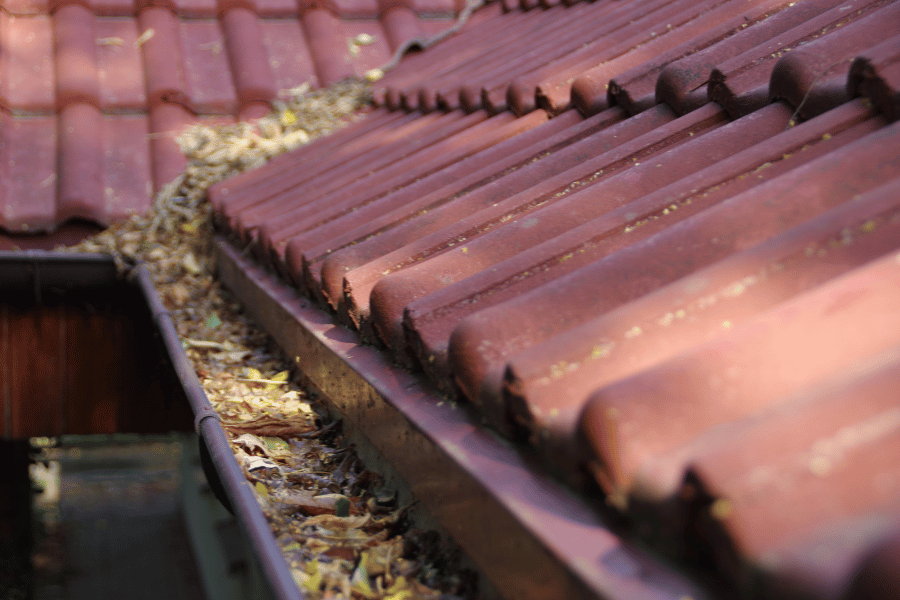
- The condition of the roof, gutters, eaves and subfloor, not just the parts staged for the camera.
- Where the sheds, fences and boundaries actually sit compared with the plan.
- Whether it is water access or only a water view, if that is part of what you are paying for.
- Mobile reception, which sounds trivial until you live there.
None of this needs a professional. It needs someone physically present at more than one time of day.
Who is reading your contract?
Nearly every interstate buyer has a solicitor at home they trust. That person almost certainly does not practise in Queensland.
Nobody raises it early, because at that stage the purchase still feels hypothetical. You are browsing, then a property appears on a Thursday, the agent wants a signed contract by Monday, and suddenly you are choosing a Queensland solicitor off a search result while the contract dates are already counting down.
You sign, and the building and pest date and the finance date start running from that moment. Nobody extends them for you because your solicitor is in Melbourne and has never read a Queensland contract before.
Appoint a Queensland solicitor before you start shortlisting. You want them reading the contract while there is still time to change it, not afterwards.
What to have sorted before you look:
- A Queensland solicitor or conveyancer, briefed on what you are looking for and ready to review a contract at short notice.
- Finance pre-approval, with the lender aware you are buying interstate.
- A clear written brief on your budget and your absolute ceiling, so you are not deciding that under pressure.
- Building and pest inspectors identified in the region you are buying in, not found on the day.
- Your identity documents and deposit funds accessible, because Queensland deposits move quickly.
That list takes a week to organise when nothing is happening. It takes three days you do not have once you have found the house.
Two streets, two hundred grand
Listing portals average by suburb because the suburb is the only unit they have. Buyers copy the average, and it is the wrong tool.
In Queensland coastal and hinterland markets, elevation, orientation, flood and overlay exposure, and whether you have genuine water access or only a water view can put two apparently comparable houses in different price brackets. Same suburb. Sometimes the same road.
Take Noosaville and Sunshine Beach as examples, but the principle runs statewide. One side of a street can be flat, low and on a flood overlay. The other side can be a few metres higher with a different insurance position and a different buyer pool. Both show up in the same suburb median. Neither is priced by it.
Street-level pricing means:
- Comparing sales on the same street and immediate surrounds, not the whole postcode.
- Checking flood and other overlay mapping for the specific lot, not the area.
- Adjusting for aspect, slope and elevation, which change the value of otherwise identical floor plans.
- Separating water access from a water view, because the market prices them differently.
- Reading planning for the neighbouring blocks, since what can be built next door affects what you own.
- Working out whether recent nearby sales are actually comparable, or just close.
It is slower than reading a median. It is also the difference between paying the market and paying above it.
The auction sequence
Buy at auction anywhere in Australia and the contract is unconditional the moment the hammer falls. You cannot cool off, your finance is your problem, and if the building and pest report is ugly, you already own the house.
Worth being clear about this: that is not a Queensland quirk. Auction terms work the same way in every state. Queensland private treaty contracts do carry a statutory cooling-off period, and auction is the exception, exactly as it is everywhere else.
What differs here is the risk sitting behind the inspection you are giving up.
The CSIRO figure most often quoted puts subterranean termite attack at around one in three unprotected homes across Australia over the life of the building, and the Building Code of Australia classifies Queensland as high to very high termite risk. In a subtropical climate, termite activity and moisture problems turn up more often than in the southern markets many buyers come from. Neither termite activity nor moisture damage is visible in the forty minutes an open home is running.
Most people book all three inspections at once. There is a cheaper order to do it in.
1. The cheap checks. Title, planning and overlay searches, body corporate records if it is a unit or townhouse, council information. These cost little or nothing and they kill properties fast. An overlay search takes a day and can end the conversation before you have spent anything meaningful.
2. The valuation. Now you know what the property is worth and whether your number can work at all. If it cannot, you have spent almost nothing finding that out.
3. Building and pest. Only after the first two hold up. This is the one step that costs real money before you have a contract, so it goes last.
You only pay for the expensive report on a property that has already passed the cheap checks.
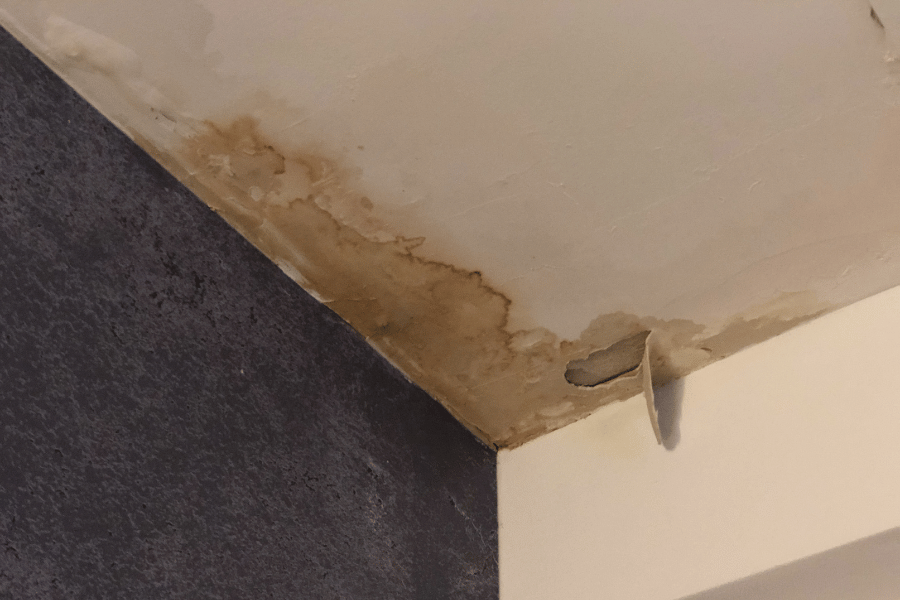
Here is why that inspection matters so much in Queensland, from a Noosaville purchase we ran. The first building and pest report came back with dampness at the shower and minor mould. Not alarming on paper. We had an extended due diligence period, so we commissioned an invasive inspection that cut into the wall, and it found a dormant termite nest. A third inspection confirmed it was contained to the shower area. The sellers covered the remediation.
Under private treaty, that buyer had a condition to fall back on and the time to investigate properly. At auction, the same finding arrives after the contract is already binding, and the buyer owns the termites.
What Form 2 does not tell you
Since 1 August 2025, Queensland sellers must give buyers a Form 2 Seller Disclosure Statement before the contract is signed, under the Property Law Act 2023.
Interstate buyers hear “mandatory disclosure” and reasonably assume the ground is covered. It is not, and the gap is worth understanding before you rely on it.
Form 2 is a title-side document. Here is what is in it, and what is not.
What Form 2 covers:
- Title details and registered encumbrances
- Zoning
- Rates and water charges
- Pool safety certification
- Body corporate records where relevant
- Statutory notices affecting the property
What you still have to check yourself:
- Flood history
- Prior termite activity or treatment
- The structural condition of the building
- Whether the building work was approved and certified
- What is approved or under construction on neighbouring land
- Anything a physical inspection would reveal
Buyer beware still applies in Queensland, and the REIQ has said so publicly.
Victoria and New South Wales have the same hole in their disclosure documents. Section 32 and the NSW contract attachment model leave the same things out. The difference up here is what falls through the gap: termites, and water where you cannot see it.
Whose number is the price guide?
Ask any buyer directly whether the selling agent works for them and they will say no, of course not.
The problem is not what people believe, it is how it feels after six weeks of being looked after from 1,500 kilometres away. They ring you back. They answer questions at nine at night. They know things about the street you will not find online. After six weeks of that, it stops feeling like a transaction.
None of that is fake. The seller still pays them, and the fee moves with the price. The guide you are quoting back to yourself is the seller’s number, not the market’s.
Here is what that costs in practice.
A couple retiring from interstate spent close to a year searching on their own. They were reluctant to pay a professional fee, because they had already put so much of their own time and effort in. Then they found an acreage property in the hinterland.
They had been looking for a year. They loved the place. The agent’s price guide was wide, there was no fixed price, and the guide sat above both the advertised range and market value. They took the guide at face value and worked their number back off it.
They paid about $200,000 over market value, and it was not a multiple offer situation. Nobody pushed them there.
Acreage is the hardest type of property in Queensland for an outsider to price. Soil, slope, water security, access, and what the planning overlays permit all move the number, and there are rarely true comparables to check yourself against. Two blocks on the same road can be worth very different amounts for reasons you cannot see from a listing photograph.
Ring the agent for access, floor plans, what the neighbours did with the block behind. Just do not take your number from them. Get your view on value from someone who is paid by you.
Key takeaways
- A video shows you layout and finish. It cannot show you aspect, noise, neighbours, or what a room feels like at 2pm in February.
- Appoint a Queensland solicitor before you shortlist, not after you have found something.
- Suburb medians hide street-level differences in elevation, overlays and water access that can be worth a great deal.
- At auction, anywhere in Australia, the contract is unconditional on the fall of the hammer. Queensland private treaty contracts do have a statutory cooling-off period.
- Do the cheap searches first, then the valuation, then the building and pest. Never the other way round
- Form 2 is a title-side document. It does not cover flood history, prior termite activity or structural condition.
- The agent is paid by the seller, on the price. Take access and property information from them. Take your number from someone you pay.
Before you start looking
If you are tracking Queensland suburbs from interstate, Homely’s tools will save you a lot of tab-hopping while you narrow things down. Set up alerts for the streets and pockets you are watching so new listings come to you rather than the other way round. Use collections to keep shortlisted properties in one place, which makes it much easier to compare like with like when you finally do fly up. And if you want a local view on a suburb before you commit a weekend to it, try the suburb reviews left by locals.
The buyers who do well from interstate are not the ones who fly up the most. They are the ones who have their people organised before they need them.


