

Answer in a nutshell: for most Australian homes, the most cost effective heating is a well-sized reverse-cycle air conditioner (heat pump) run smartly at moderate temperatures, paired with basic draught-proofing and zoning. For spot warmth, use energy-efficient portable heating options like a small ceramic heater or heated blanket in the room you are actually using. Central systems can be efficient when designed well, but the cheapest kilowatt-hour is the one you do not need, thanks to insulation, seals and smart timers.
If a temperature expert were standing in your lounge room, they would start by asking two key questions: which room needs heat right now, and how quickly do you want it warm and toasty? From there, it is about matching the method to the job, not just buying the biggest unit on sale. This guide walks through the best energy-efficient home heating systems for Aussie layouts, how to run them cheaply, and the simple fixes that make any heater work better.
Topics in this article:
What are the most energy-efficient heating methods?
Here is the short version before we dive into detail. Use a heat pump to warm whole rooms efficiently. Use focused heat when it is only you at the desk or on the couch. Fix draughts so whatever you are paying for stays in the room instead of sneaking out through your walls.
Reverse-cycle air conditioning (heat pumps)
These are the best energy-efficient heating systems for most Australian homes. A heat pump moves heat rather than creating it, which is why it can deliver three or more units of heat for every unit of electricity it uses. Split systems suit single rooms and open-plan spaces whilst multi-splits or ducted heat pumps suit whole-home zoning when designed correctly.
- Best for: living rooms, open-plan areas, small to medium homes when sized to the space.
- Pros: excellent efficiency, quick warm-up, year-round cooling, timers and scheduling.
- Cons: needs correct sizing and placement, clean filters, and doors closed to zone heat.

Hydronic radiators and in-slab hydronic
Hydronic heating uses hot water to warm radiators or in-slab pipes. With a high-efficiency heat pump as the heat source, hydronic can be one of the most energy-efficient home heating options. It provides even, gentle warmth with little air movement.
- Best for: cold climates, allergy-sensitive homes, steady all-day comfort.
- Pros: quiet, even heat, room-by-room control with thermostatic valves.
- Cons: higher upfront cost, slower to respond, design matters a lot.
High-efficiency gas systems
Some homes still use gas ducted or hydronic systems. A modern high-efficiency condensing boiler or high-star ducted unit can run more efficiently than older models. Just note that running costs depend on local gas prices and how well your home holds heat.
- Best for: homes already plumbed for gas with existing ducts or radiators.
- Pros: quick warm-up, whole-home coverage.
- Cons: fuel price exposure, maintenance, and heat loss if ducts are leaky.
Portable electric heaters
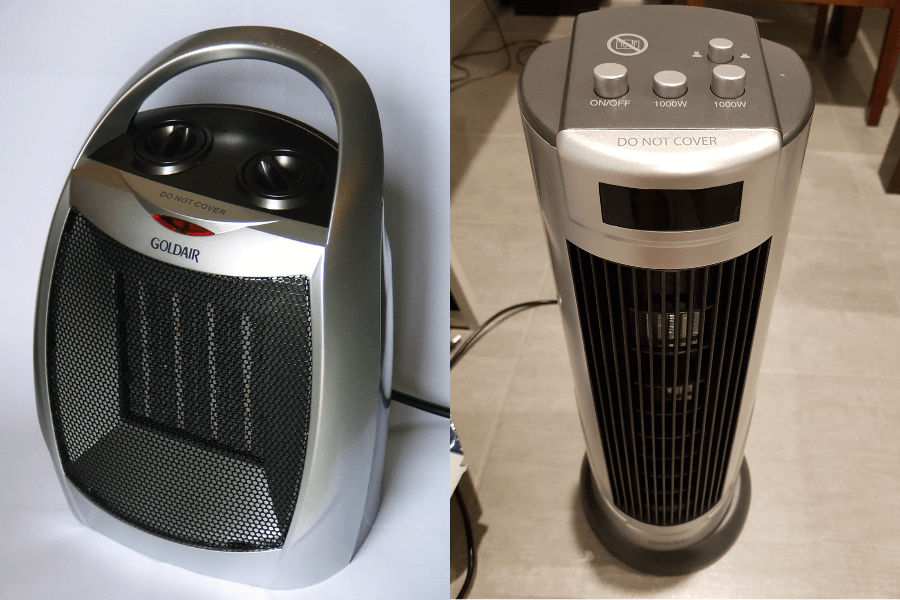
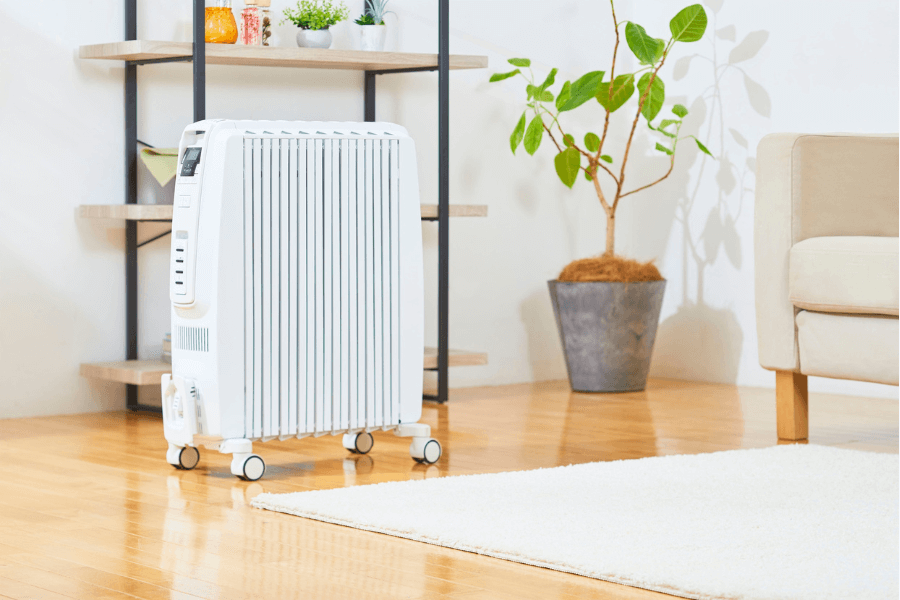
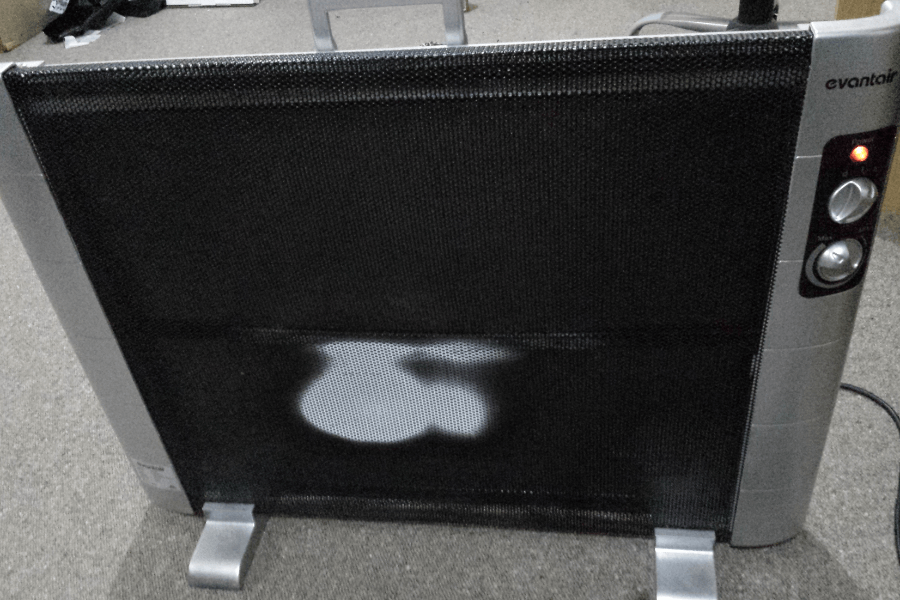
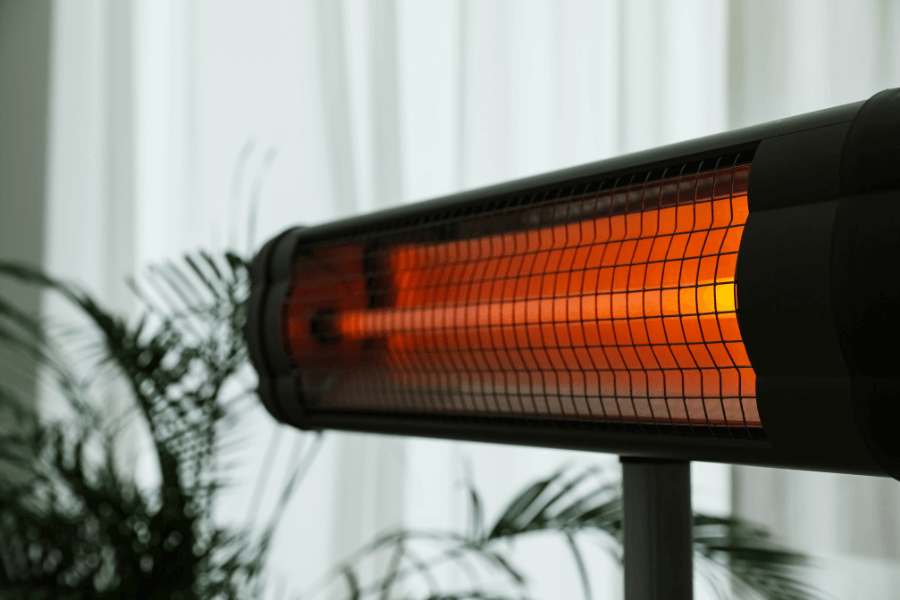
There are many types: ceramic fan, oil-column, micathermic, panel and radiant bar. They all convert electricity to heat at about the same rate, so the trick is picking the right style for your use and personal aesthetic.
-
Ceramic fan: fast, directional heat. Great for a study or small lounge with doors closed.
-
Oil-column: slow to heat, but steady and quiet. Nice for bedrooms.
-
Micathermic/panel: hybrid radiant and convective warmth with quick response.
-
Radiant bar: instant spot heat. Best for short bursts when you are sitting still.
Wood heaters
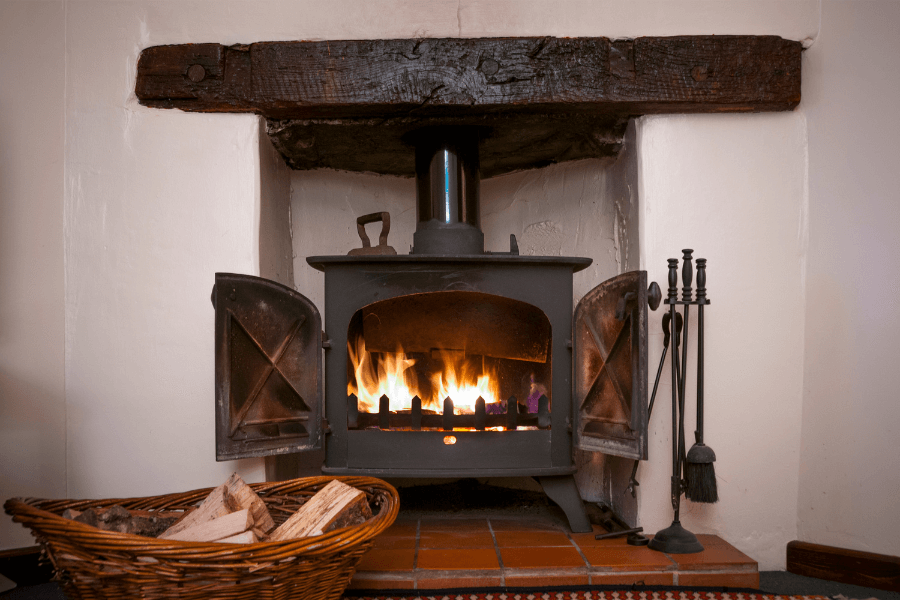
Where wood is cheap and dry, a compliant slow-combustion heater can be economical for large areas. It needs proper installation, flue cleaning and good firewood practices. Not ideal for anyone that is smoke-sensitive or those poor-air days.
The most energy-efficient way to heat a home in an average suburb is by putting in a well-sized heat pump for the main living zone, with doors closed to keep the warm air where you need it. For bedrooms and home offices, targeted portable heat for an hour or two can be the best way to heat a house cheaply.
Cheap electric heating options
Cheap ways to heat your house are about matching power to space and time. You just have to focus on heating the person or the small room you are in, not the whole house you are not using.
Energy-efficient electric heating options to consider
- Small ceramic fan heater: fast and focused. Use in a room under 15 m2 with the door shut.
- Oil-column with thermostat: good for steady overnight warmth in a bedroom. Pair with a timer.
- Panel or micathermic heater: slim profile, wall-mountable in a study or nursery. Quiet and simple.
- Reverse-cycle split system: high efficiency for rooms and open-plan areas. Use economy modes.
The most energy-efficient electric heating systems share three features: a proper thermostat, a timer, and a way to direct heat where you are. If a portable heater has none of those, skip it.
Energy-efficient portable heating options: quick picks
- Look for a digital thermostat so the unit cycles off instead of running flat out.
- Pick multiple power levels, for example 400, 800 and 1200 watts, so you can right-size the output.
- Safety first: tilt cut-off, overheat protection and a stable base are non-negotiable.
Cheap heat lamps
An energy-efficient heat lamp gives strong, instant radiant warmth. It makes sense to have it where you get cold quickly but only for a few minutes at a time, so you’re not racking up the power bills. Think of a bathroom vanity or beside a workbench.
- Pros: instant comfort, warms you rather than the room, low duty cycle keeps costs down.
- Cons: not a whole-room heater and can be bright. Use sparingly and switch off when finished.
- Tip: choose models with separate switches so the lamp and fan can be used independently.
Energy-efficient heated blankets
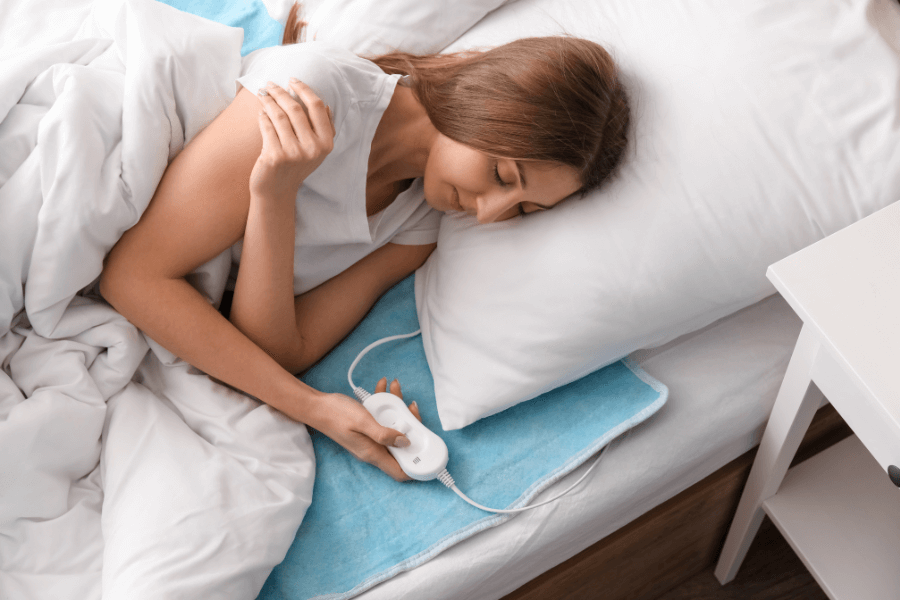
Heated throws and electric blankets are hard to beat for personal comfort on a budget. They draw very little power, yet keep your body warm so you can turn down the room temperature.
- Use low or medium settings and pre-warm the bed for 10 to 15 minutes.
- Choose models with auto shut-off and overheat protection.
- Never bunch the blanket, and keep pets’ claws away from the elements.
On a winter movie night, a heated throw plus a small ceramic heater on low can feel far cosier than blasting a big unit for the whole house.
Energy-efficient central heating
Central systems heat multiple rooms through ducts, pipes or radiators. They can be comfortable and convenient, but the design makes or breaks the running costs. Here is how to keep central heat cheap without sacrificing the comfort of your home.
Energy-efficient ducted heating
Ducted systems can be powered by a heat pump or gas furnace. For cost effective heating:
- Insulate and seal ducts, especially in the roof space. Leaky ducts waste heat.
- Zone the home so you heat living areas by day and bedrooms for a short window at night.
- Use supply registers that can be balanced, not just fully open or shut.
- Set a modest temperature. Every degree you lower saves noticeable energy.
Energy-efficient central heating systems: hydronic and radiators
Hydronic radiators give even heat and simple room-by-room control. For cheap central heating radiators:
- Fit thermostatic radiator valves so each room finds its own comfortable level.
- Bleed radiators at the start of winter for efficient heat transfer.
- Use window seals and thick curtains so the gentle heat is not lost.
If your system uses a boiler, modern condensing models recover more heat from the exhaust, which helps with cheap central heating boilers compared with older units. Servicing keeps them efficient and safe, which is a top priority.
Cheap in floor heating
In-slab or in-screed heating feels lovely underfoot. Hydronic in-slab heating paired with a high-efficiency heat pump can be efficient when run at low, steady temperatures. Electric under-tile mats are simple to add during a renovation, but they can be expensive to run if left on for long periods. Use them in small, defined zones with a timer and floor sensor.
Quick running cost calculator
You do not need complex spreadsheets. Use this simple method to compare options for your place.
- Find the heater’s power input in kilowatts. A 1200 watt panel heater is 1.2 kW.
- Estimate daily run time in hours. For example, two hours in the evening.
- Multiply: kW × hours = kWh per day. Then multiply by your power provider’s rate to estimate dollars per day.
Example: a 1.2 kW heater for 2 hours uses about 2.4 kWh. Multiply by your rate to get an idea of cost. A heat pump’s input is usually much lower for the same comfort because it is moving heat, not making it. That is why, for whole rooms, a heat pump is usually the most cost effective heating choice.
Set-and-forget tips that slash bills
- Target temperature: aim for around 18 to 20°C inside when you are home in winter, a bit lower when asleep. Jumpers and blankets still have a job to do.
- Zoning: close doors to unused rooms. Heat the space you are in, not the spare room no one has used since April.
- Draught-proofing: seal the gap under doors, use foam or brush seals, and close the chimney when not in use. You will feel the difference on your ankles.
- Window smarts: thick curtains or honeycomb blinds at night, winter sun by day. Glass loses heat fast.
- Timers: pre-warm living rooms just before you get home. Turn heaters off 20 minutes before bedtime and let residual heat do the rest.
- Maintenance: clean split-system filters each month of heavy use. Dusty filters make any system work harder.
- Room size match: a small heater in a big open-plan space will struggle. Choose the right size once, not twice.
Sources: independent testing bodies and Australian energy guidance. We have paraphrased common advice to keep it practical and easy to use at home.
Key takeaways
- The best energy-efficient home heating systems for most Aussie homes are reverse-cycle heat pumps, sized to the room and run at moderate temperatures.
- For cheap ways to heat your house, target the person or the small space. Heated blankets, ceramic fan heaters and micathermic panels shine for spot warmth.
- Energy-efficient central heating works when ducts are sealed, zones are used and set points are sensible. Hydronic radiators with thermostatic valves offer great control.
- Cheap electric heating options become expensive if you try to heat the whole house with a tiny unit. Match power to the room, shut doors and use timers.
- Comfort is not just about the heater. Draught-proofing, curtains and simple habits make every system cheaper to run.

Plan your cosy home with Homely
Whether you are upgrading your current place or hunting for a home that stays warm with less energy, Homely can help you plan and decide faster.
- Create Alerts: save searches for homes with insulation upgrades, double glazing, or efficient heating already installed. Get notified when new listings match.
- Build Collections: save listings with photos of heating setups you like, from hydronic radiators to split-systems, and compare what would suit your space.
- Find an Agent: chat with local experts about buyer interest in energy-efficient features in your suburb. Ask what adds value and comfort where you live.
Ready to get started? Explore more helpful home improvement reads on Homely and save your favourite ideas for your next upgrade.
FAQs
What is the most energy-efficient way to heat a home?
In most cases, a heat pump for main rooms plus targeted portable heating for small spaces. Add draught-proofing and smart timers to make any system, big or small, cheaper to run.
Which are the best energy-efficient home heating systems for a small unit?
A compact split-system heat pump for the living area, and a low-watt panel or oil-column heater with a timer for the bedroom. Shut doors to zone heat.
Are cheap electric heating options safe to leave on overnight?
Choose models with a thermostat and timer, keep clear space around the unit, and follow the manual that comes with the device. For bedrooms, oil-column or panel heaters are commonly preferred for quiet, steady heat.
Do heat lamps save money?
They can when used for short bursts in a small area. They warm people, and maybe pets, not rooms, so switch off when finished.
Is cheap in floor heating actually cheap to run?
Hydronic in-slab heating with a heat pump can be efficient at low temperatures. Electric mats are best used in small zones on timers to avoid high bills.